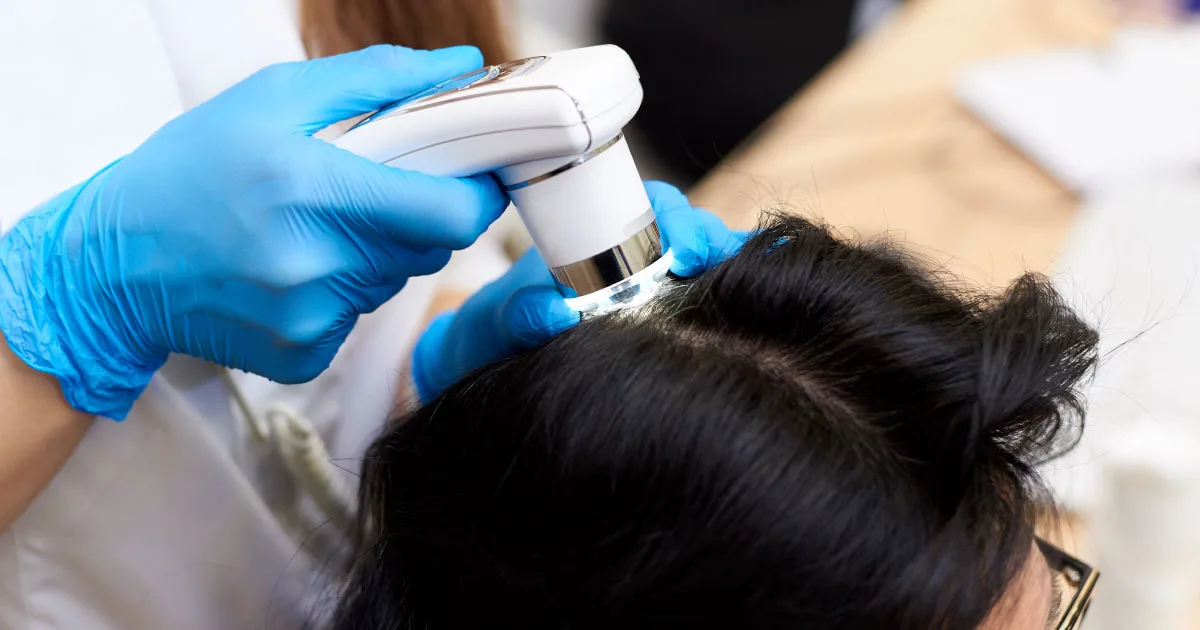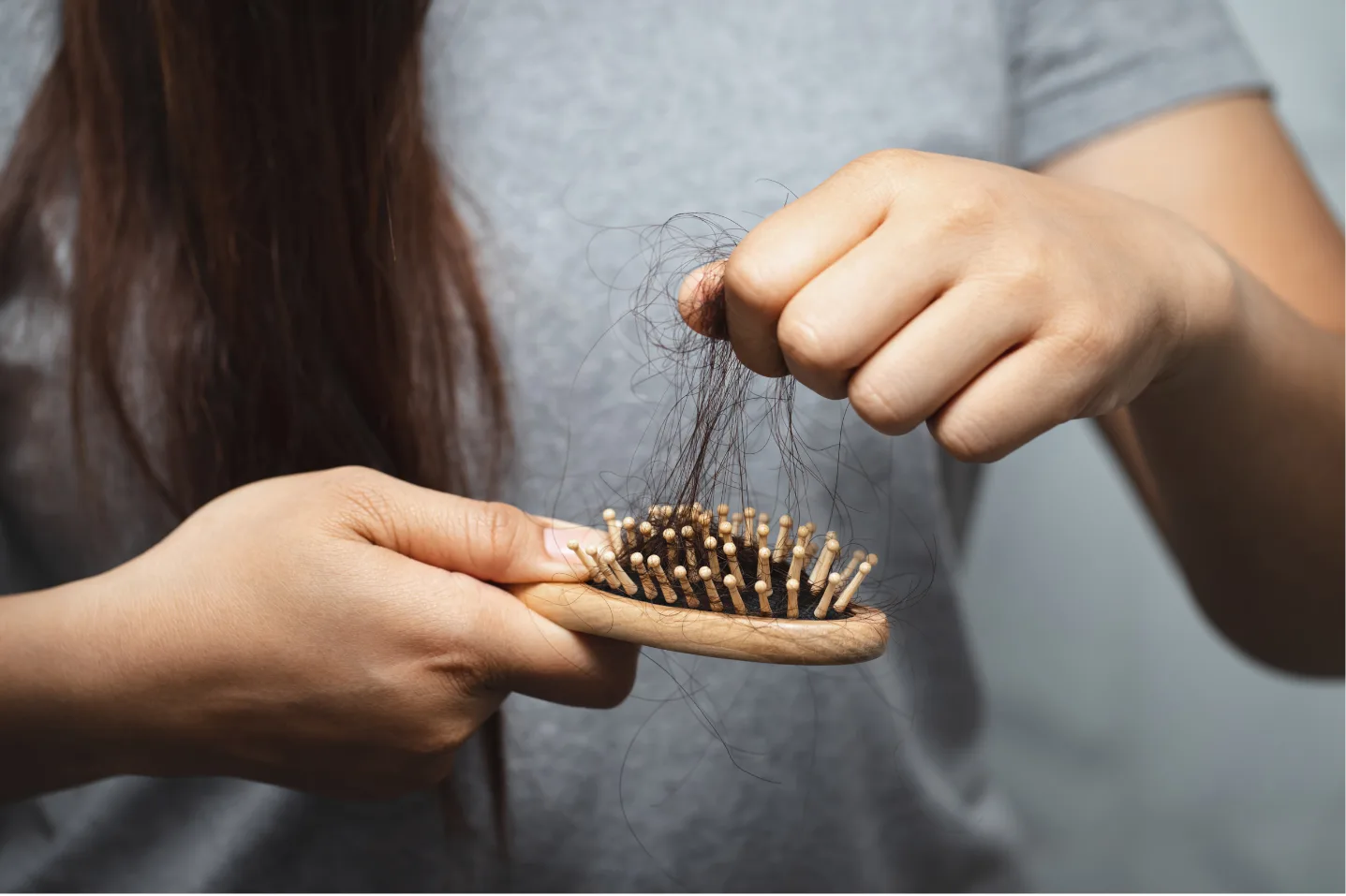
Anyone searching for a hair loss treatment in Johor Bahru (JB) has probably come across bold claims of guaranteed regrowth. The honest answer is more nuanced: some treatments are backed by solid clinical research, others show modest results, and effectiveness often depends on the cause of hair loss and how early treatment starts. This article looks at what peer-reviewed studies actually say about three commonly used approaches, minoxidil, platelet-rich plasma (PRP), and low-level laser therapy, along with realistic cost expectations.
Does Hair Loss Treatment Actually Work, According to Research?
Most clinical evidence on hair treatment for hair loss focuses on androgenetic alopecia, the genetic pattern of hair thinning that affects both men and women. Research generally shows that consistent, medically supervised treatment can slow shedding and improve hair density in many cases, though results vary between individuals and no treatment guarantees full regrowth. This is why an accurate diagnosis before starting treatment matters as much as the treatment itself.
How Effective Is Minoxidil for Hair Loss?
Minoxidil, available as a topical solution or, in some cases, a low-dose oral tablet, remains one of the most studied hair loss treatments. A meta-analysis comparing oral and topical minoxidil for androgenetic alopecia found the two formulations produced comparable improvements in hair density, with topical minoxidil showing gains of roughly 8 to 13 hairs per square centimetre in the reviewed trials. The researchers concluded that oral minoxidil works about as well as the topical version and may serve as a useful second-line option rather than a clear upgrade. In Malaysia, topical minoxidil is available over the counter, while oral minoxidil requires a doctor's prescription, and results typically fade if treatment is stopped.
What Does the Research Say About PRP for Hair Loss?
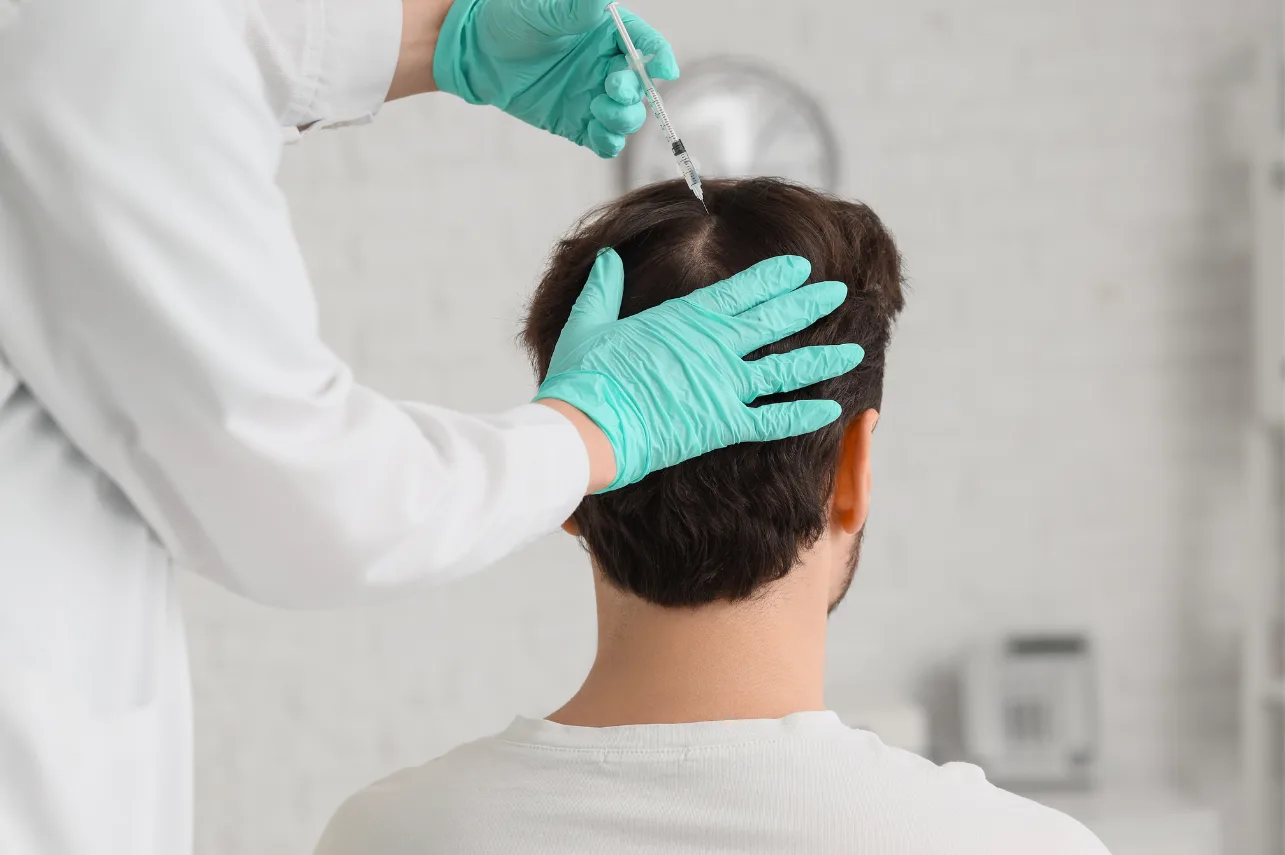
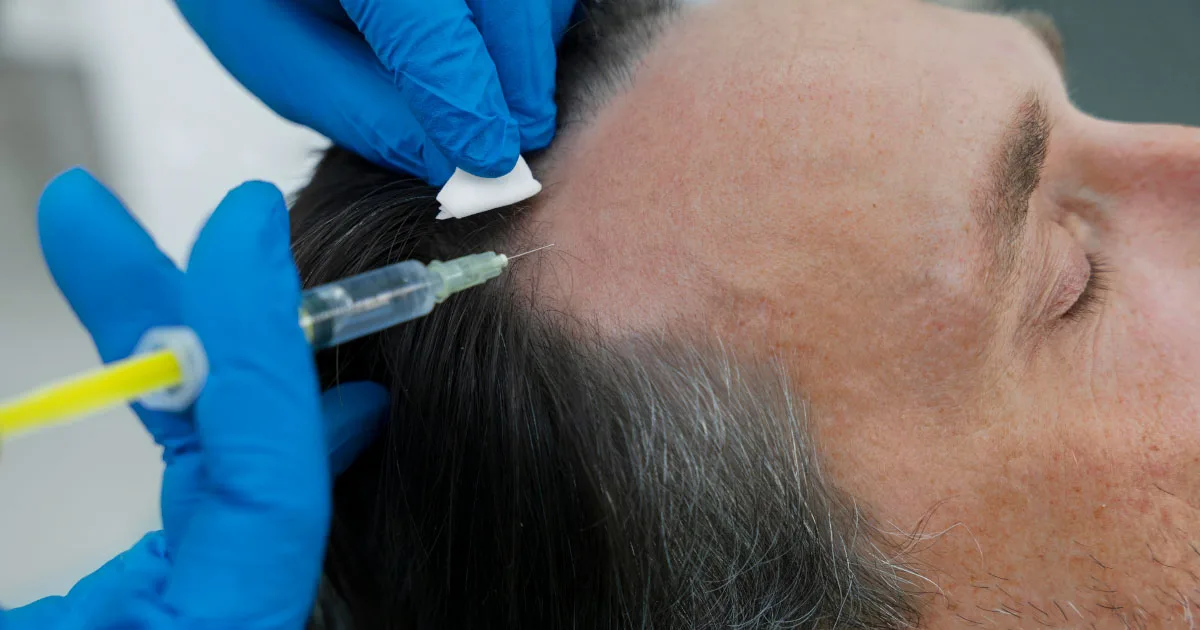
Platelet-rich plasma involves injecting a concentrated portion of a patient's own blood into the scalp to stimulate hair follicles. A 2023 systematic review and meta-analysis of nine randomised controlled trials, covering 238 patients, found that PRP significantly increased hair density at both 3 and 6 months compared with placebo. Improvements in hair count and thickness were also observed, though these did not reach statistical significance against placebo in every trial. Adverse effects were minimal across the studies, leading the researchers to describe PRP as an effective and safe option for improving hair density in androgenetic alopecia, best delivered by a trained medical provider under proper hygiene standards.
Does Laser Therapy Help With Hair Regrowth?
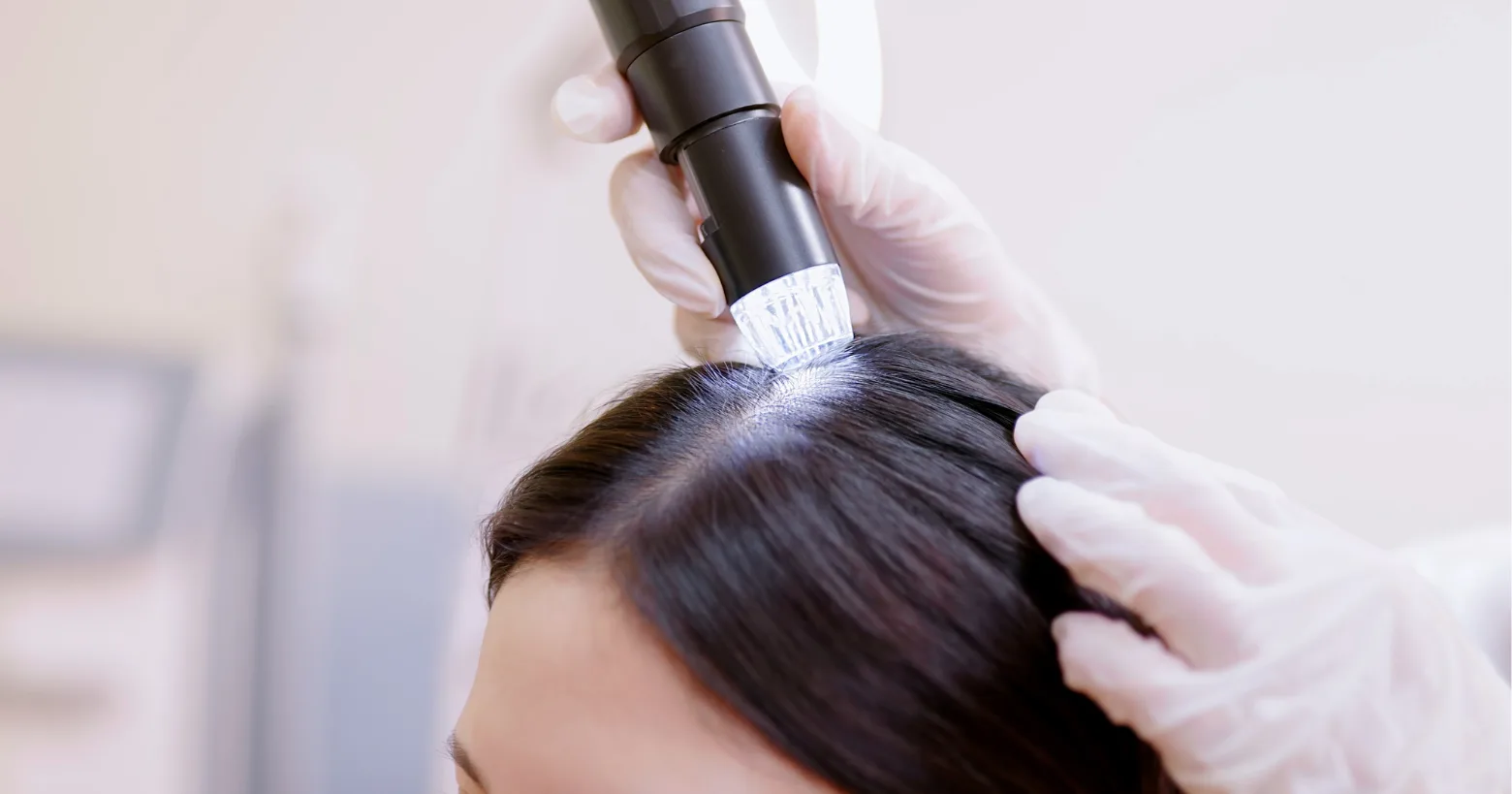
Low-level laser therapy (LLLT) uses red light to stimulate hair follicles and is available both as in-clinic devices and take-home combs. A multicentre, sham-controlled, double-blind trial involving 225 men and women over 26 weeks found meaningful increases in hair density among laser-treated participants, with some groups gaining around 18 to 26 hairs per square centimetre compared to much smaller changes in the sham-treated group. Between 83 and 95 percent of laser-treated participants saw a noticeable improvement, and no serious side effects were reported. The results place laser therapy as a reasonable option for people seeking a non-invasive addition to their treatment plan, particularly when combined with other approaches.
What Does a Realistic Hair Loss Treatment Budget Look Like in Johor Bahru?
Cost expectations vary widely depending on the treatment tier chosen. Over-the-counter topical treatments are generally the most affordable option but require daily, long-term use to maintain results. In-clinic procedures such as PRP, microneedling, or laser-based scalp therapy typically cost more per session and are usually recommended as a course over several months rather than a single visit. Surgical options like hair transplantation sit at the highest cost tier and are usually considered only after non-surgical treatments have been assessed. Because pricing depends on the clinic, the specific technology used, and how many sessions a person needs, the most reliable way to get an accurate figure is a proper consultation rather than a general estimate found online.
So, Should You Try a Hair Loss Treatment?
The research supports cautious optimism rather than guaranteed results. Minoxidil, PRP, and low-level laser therapy each have peer-reviewed evidence behind them, particularly when it comes to improving hair density in androgenetic alopecia, but outcomes depend on the underlying cause, consistency of use, and how early treatment begins. This is why a proper assessment matters more than picking a treatment based on marketing alone. A doctor-led hair specialist such as MH Clinic, which builds treatment plans around an individual assessment and uses MDA-approved products and devices, can help match a person's specific cause of hair loss to an approach with genuine clinical support behind it.
Final Thoughts
Hair loss treatment is not a one-size-fits-all decision, and the strongest results tend to come from an accurate diagnosis paired with a treatment plan grounded in real evidence rather than promises. For anyone exploring hair loss treatment in Johor Bahru (JB), starting with a proper consultation is the most reliable way to understand which option, or combination of options, is realistically worth the investment.