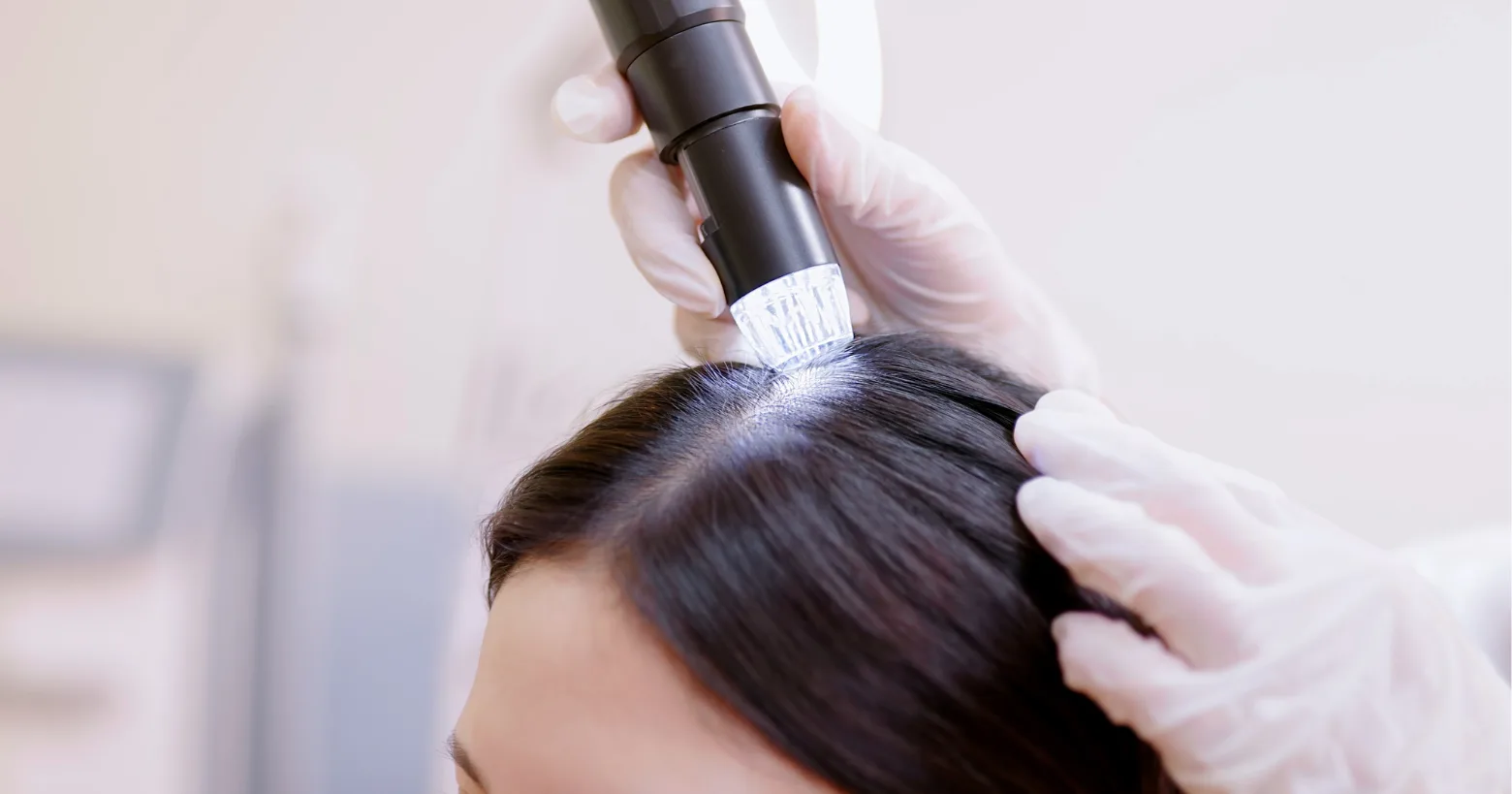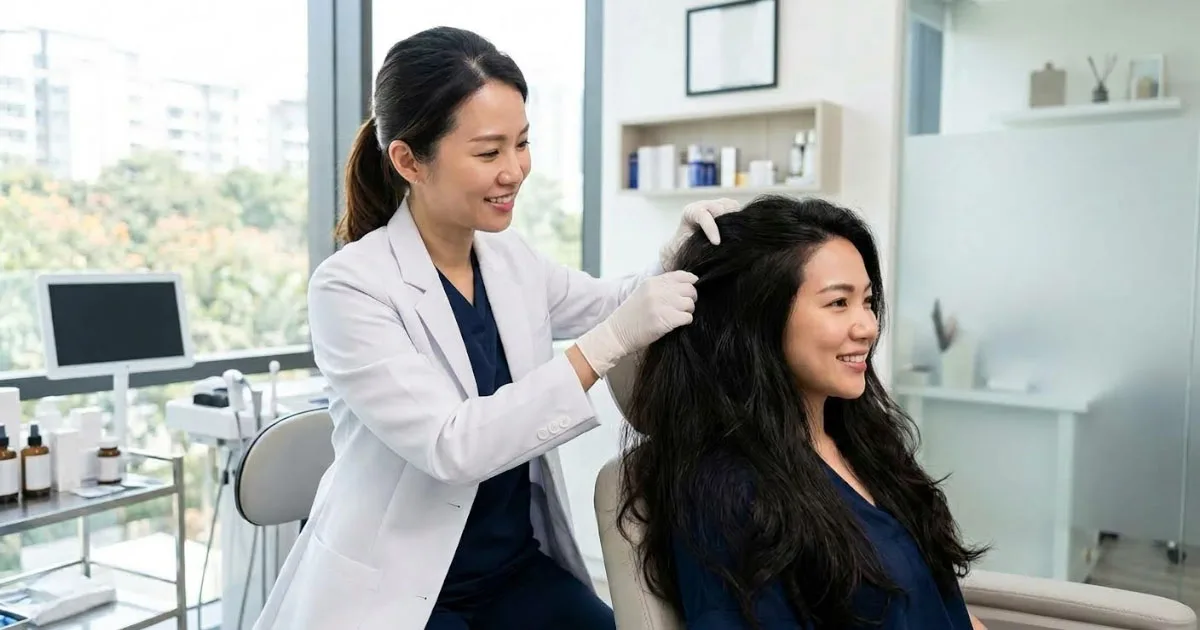
Before trying any hair growth treatment, it is natural to ask whether it is actually safe, and who should think twice before starting. Injection-based procedures like PRP, laser-based therapies, and microneedling are now widely used for hair loss in Malaysia, but each comes with its own safety profile, suitability requirements, and practical considerations, including questions around halal status that matter to many people searching for hair growth treatment in Johor Bahru (JB). This article breaks down what the evidence actually says.
Is Hair Growth Treatment Safe in General?
When performed by a qualified doctor using approved products and devices, hair growth treatments for androgenetic alopecia generally carry a good safety record. Clinical research on PRP, minoxidil, and laser therapy has shown mostly mild and temporary side effects rather than serious complications. That said, "safe" still depends on proper patient screening, since certain health conditions and medications can change the risk picture for specific procedures.
What Are the Side Effects of PRP Injections for Hair Loss?
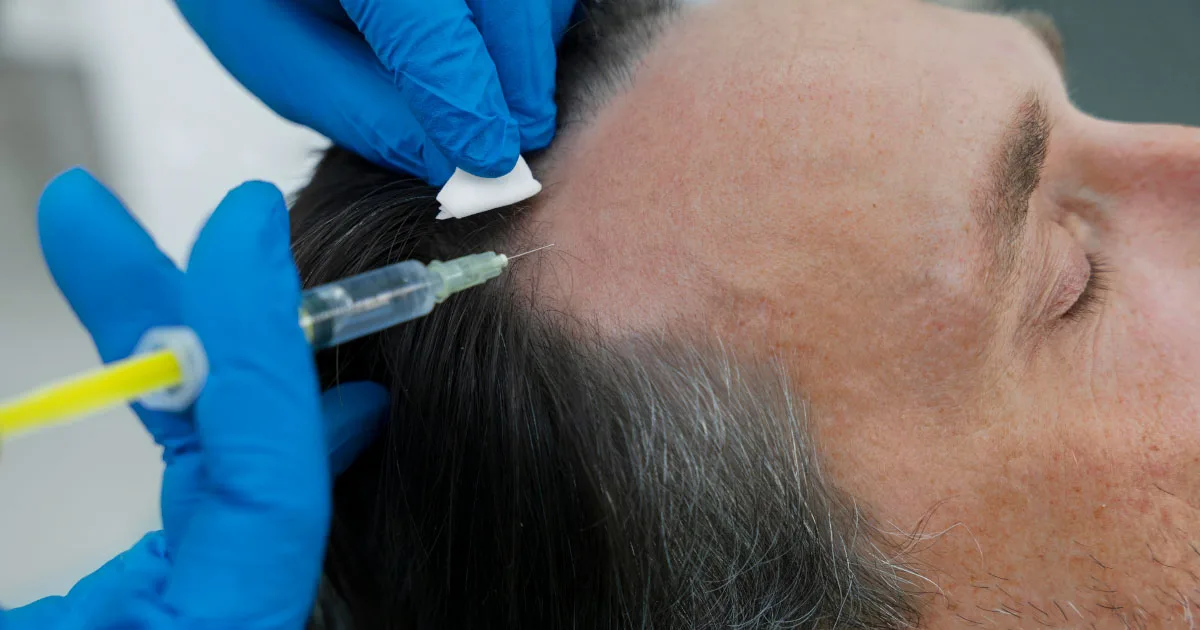
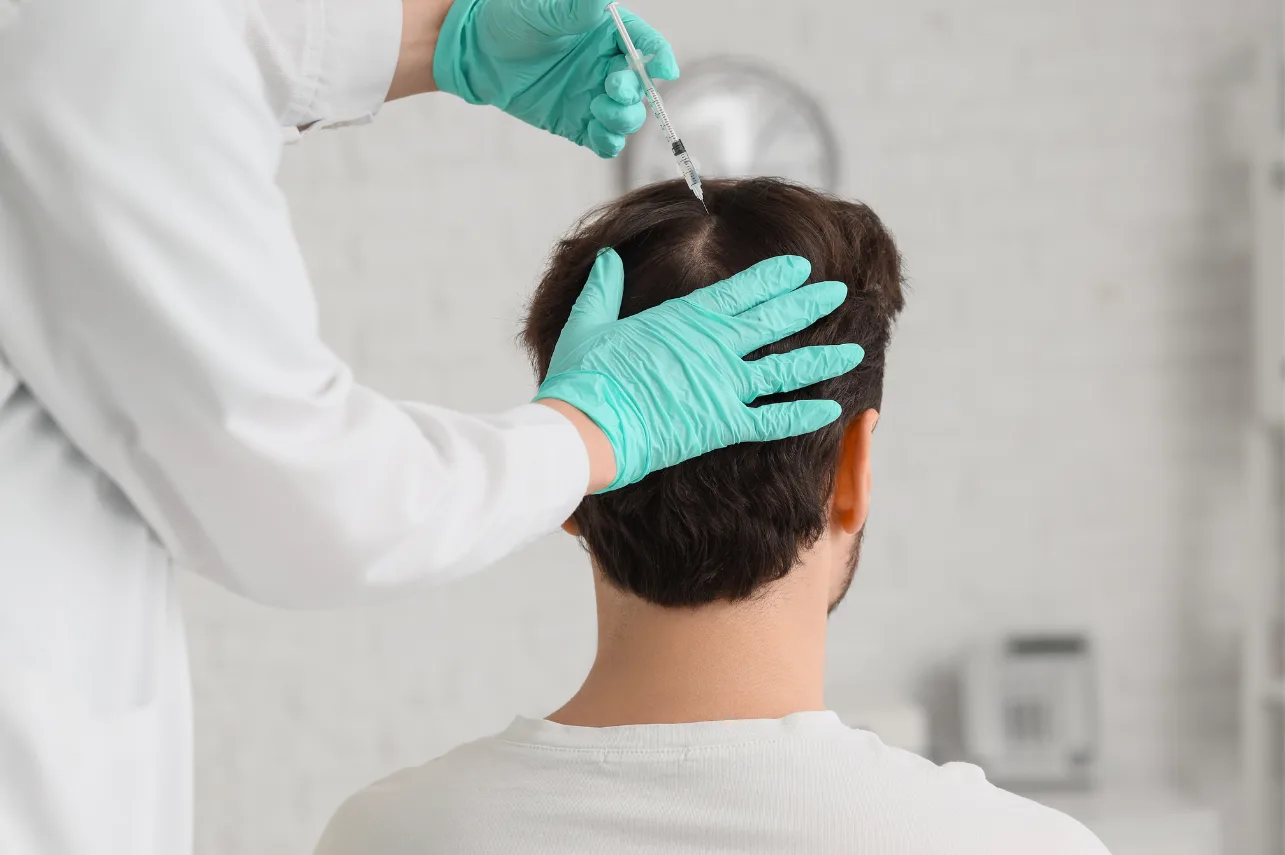
Platelet-rich plasma (PRP) uses a concentrated portion of a patient's own blood, so it is generally considered a very safe procedure. The main side effects reported are local pain, mild swelling, or tenderness at the injection sites, which usually settle within a few days. Patients are typically advised to avoid anti-inflammatory medications such as NSAIDs or aspirin for about two weeks afterward, since these may interfere with how well PRP works, and those with active skin cancer, pre-cancerous skin conditions, or certain systemic diseases at the treatment site should not undergo PRP.
What Are the Side Effects of Laser-Based Hair Treatments?
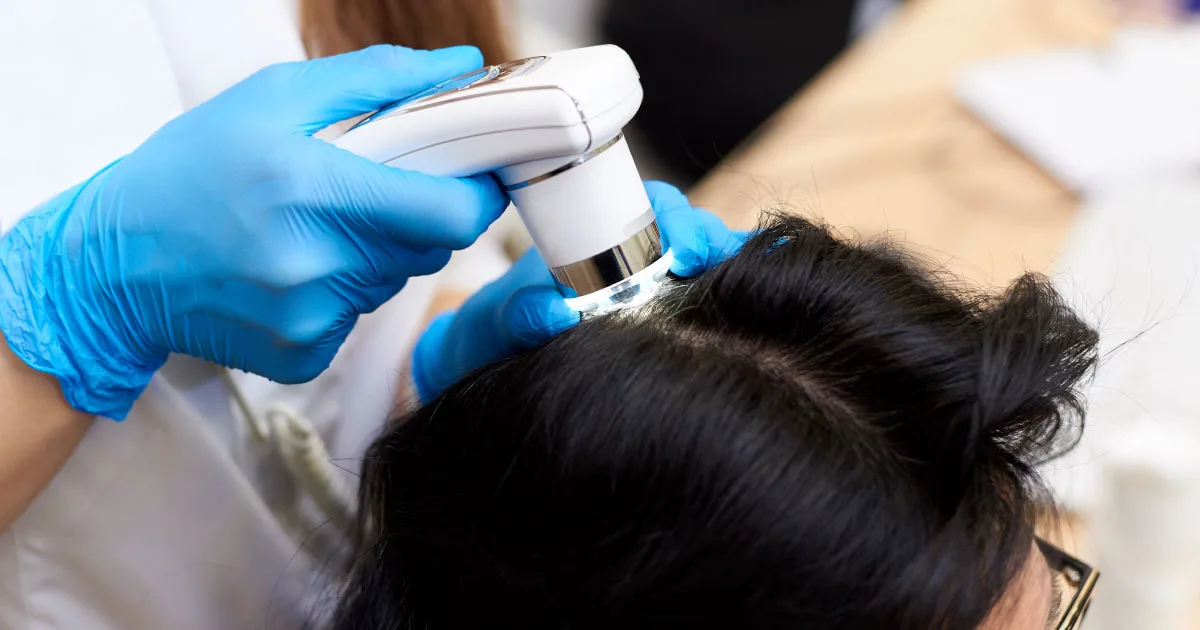
Low-level laser therapy is generally regarded as a low-risk, non-invasive option, with clinical sources reporting no significant adverse effects in most users. The main caution is that laser therapy should not be combined with medications or skincare products that increase photosensitivity, since this can raise the risk of skin irritation. People on photosensitising medication should flag this during consultation before starting laser-based sessions.
Are There Risks With Microneedling for Hair Growth?
Microneedling is generally well tolerated, though temporary redness, mild swelling, pinpoint bleeding, and some shedding in the days after treatment are common and usually resolve within a day or two. Less common but more serious risks include infection if equipment is not properly sterilised, temporary dark patches on the skin, and scarring if performed incorrectly. Microneedling is usually not recommended for people with active scalp infections, psoriasis or similar inflammatory scalp conditions, a history of keloid scarring, bleeding disorders, or those currently on blood-thinning medication.
Who Should Avoid or Delay Hair Growth Treatment?
Across PRP, laser therapy, and microneedling, a few groups are generally advised to delay or avoid treatment: pregnant or breastfeeding women, people with bleeding disorders or on anticoagulant medication, anyone with an active infection or skin cancer at the treatment site, and those who have recently used oral isotretinoin. This is exactly why a proper medical assessment, rather than a standard package sold without screening, matters so much when choosing a hair specialist in Johor Bahru (JB). A doctor-led consultation can identify these risk factors before any procedure begins.
Is Hair Growth Treatment Halal in Malaysia?
This is a common and reasonable question for many people in Malaysia. Since PRP uses a patient's own blood rather than a donor's, and is used externally on the scalp to restore a natural condition rather than to alter it, Islamic scholars who have addressed this question have generally ruled it permissible, classifying it as restorative rather than purely cosmetic. Ingredients like hyaluronic acid, sometimes used in scalp injectables, have also generally been ruled permissible regardless of source, since the manufacturing process involves a chemical transformation of the raw material. It is worth noting that halal certification for cosmetic and aesthetic products in Malaysia is voluntary rather than mandatory under current JAKIM guidelines, so patients with specific concerns should ask their clinic directly about product certification or consult a trusted religious advisor for personal peace of mind.
Which Licensed Hair Clinic in Johor Bahru Offers Medical Hair Loss Treatment?
A licensed hair growth treatment provider in Johor Bahru (JB) should be doctor-led, use MDA-approved products and devices, and hold proper Ministry of Health credentials such as an LCP (Letter of Credentialing and Privileging). MH Clinic meets this standard as Malaysia's first LCP-certified clinic for hair regrowth, with every treatment plan beginning with an individual assessment to screen for the suitability factors covered above.
Final Thoughts
Hair growth treatment is generally safe when the right procedure is matched to the right person, which is why screening matters as much as the treatment itself. Anyone considering a hair growth treatment in Johor Bahru (JB) should look for a doctor-led, properly credentialed clinic that takes the time to review medical history, current medications, and any halal related questions before recommending a plan.