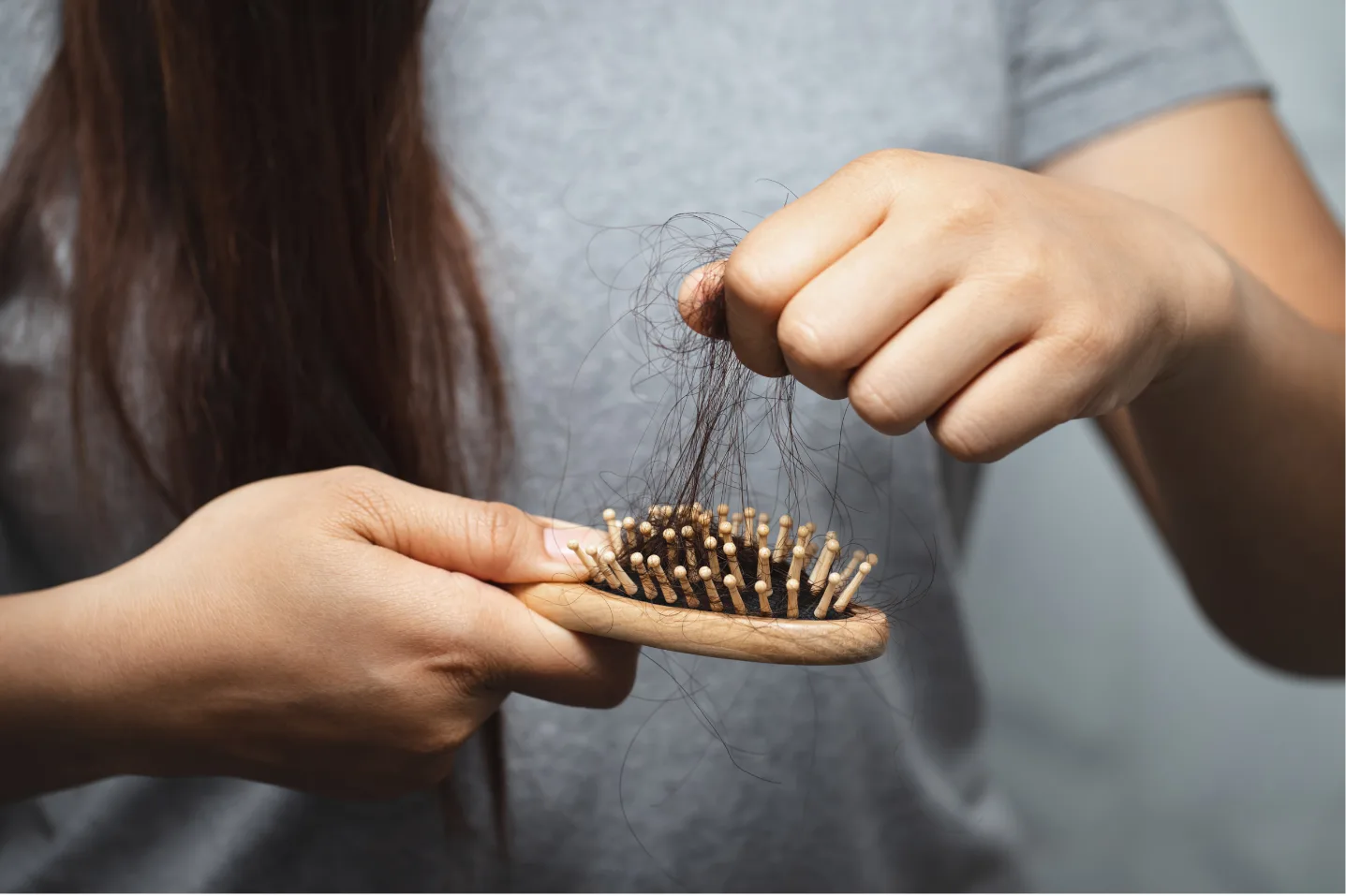
One of the most common questions we hear after someone decides to try hair treatment for hair loss is not whether it works, but how often they actually need to show up. Session frequency varies a lot depending on the treatment, and going in with the wrong expectations is one of the easiest ways to feel like a treatment "isn't working" when it may simply need more time or a more consistent schedule.
This article breaks down how often different hair rejuvenation treatments are typically spaced, how long results generally take to build, and what we aim to set up for you at MH Clinic in Johor Bahru (JB).
What Does Hair Rejuvenation Treatment Actually Involve?
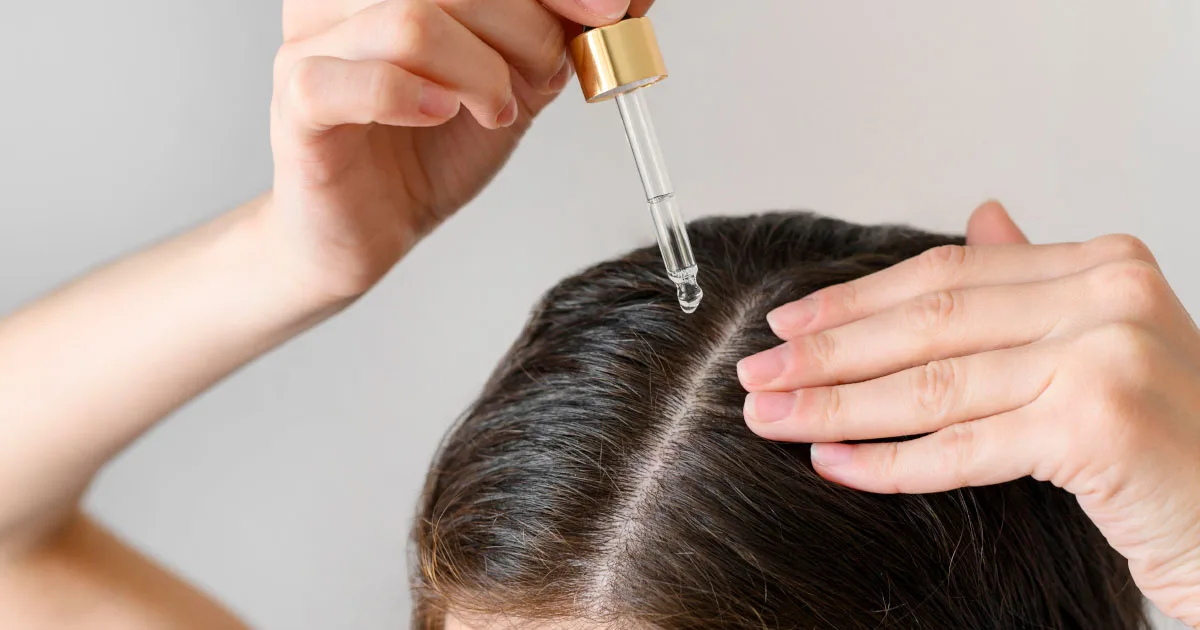
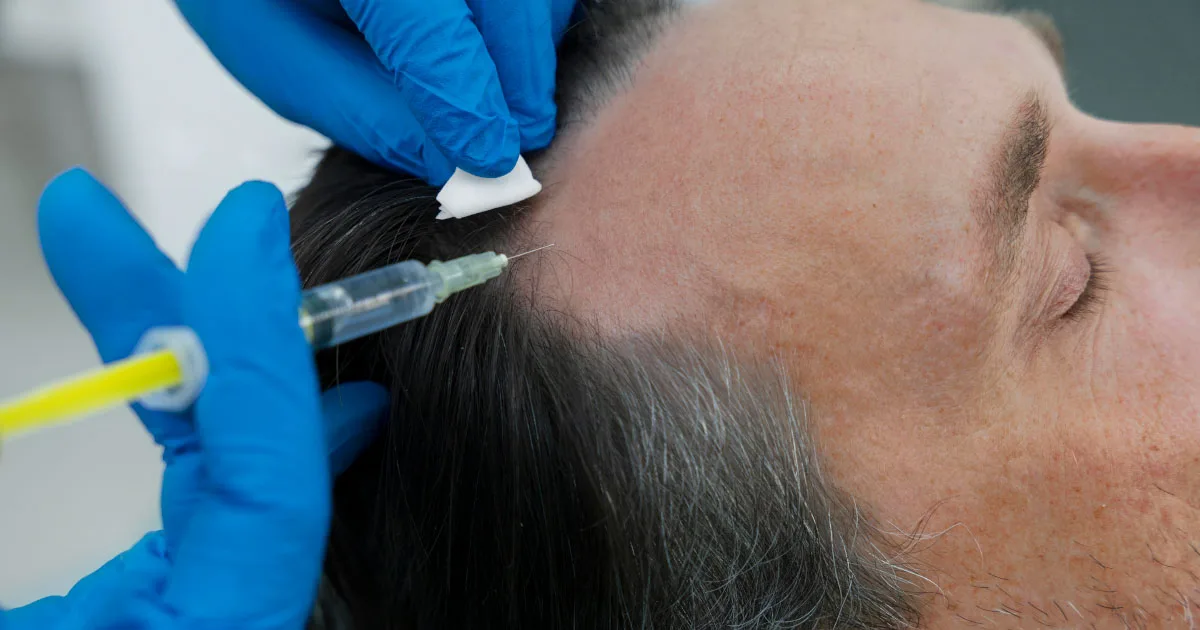
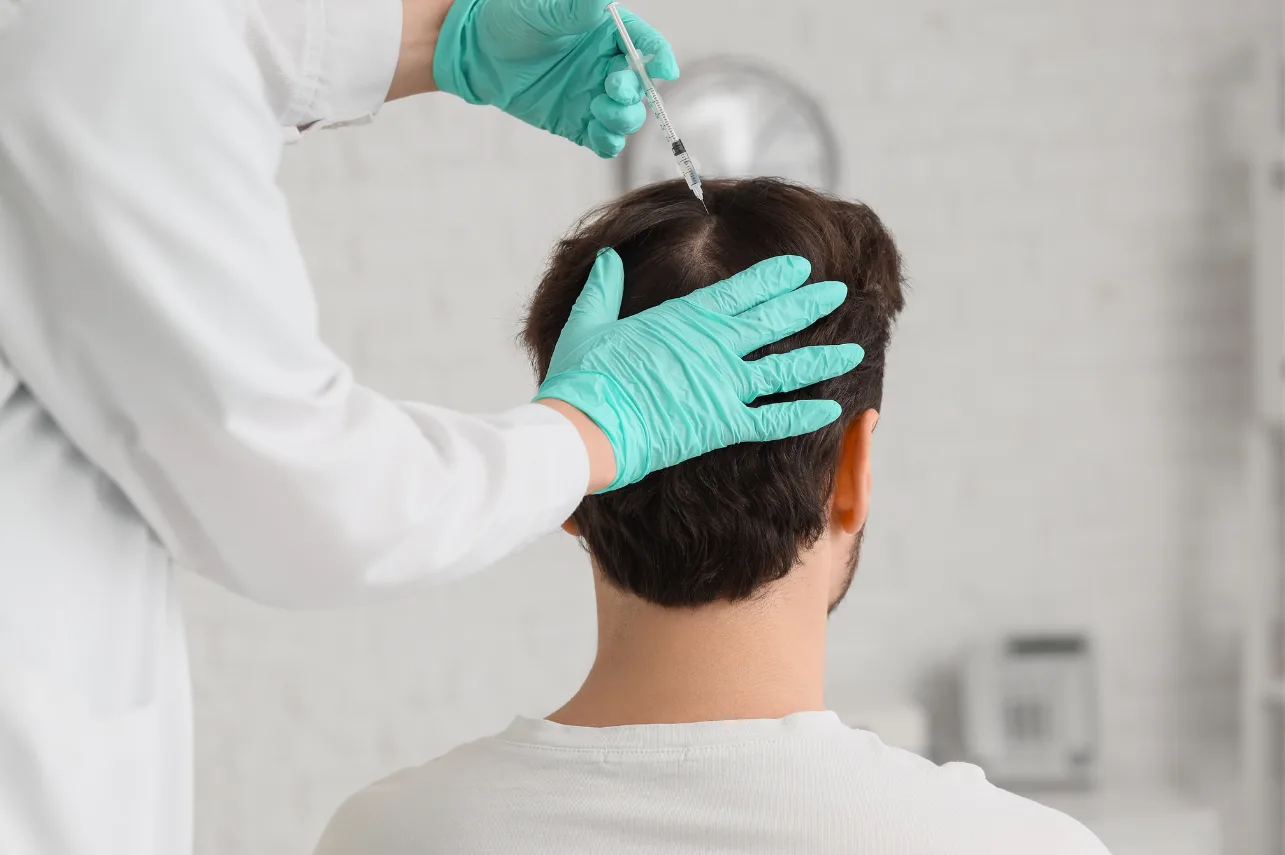
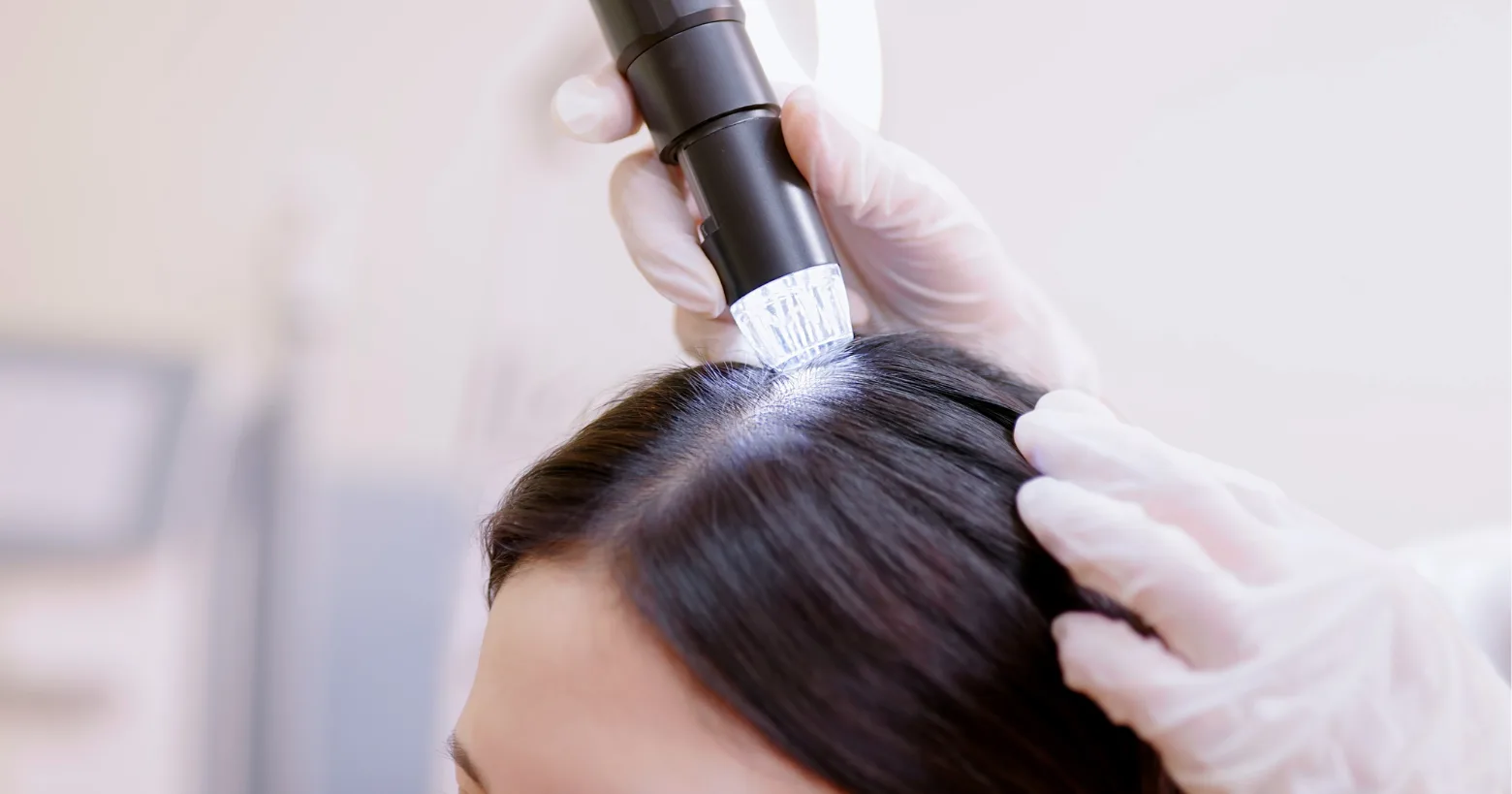
Hair rejuvenation treatment generally refers to non-surgical approaches aimed at supporting existing follicles and the hair growth cycle, rather than replacing hair through transplantation. This includes regenerative and injectable options such as platelet-rich plasma (PRP), energy-based treatments using laser, LED, or radiofrequency (RF), and prescribed medication such as topical minoxidil.
Each of these works through a different mechanism, which is also why they are not all scheduled the same way.
How Often Are Sessions Needed for Each Type of Treatment?
PRP is commonly scheduled monthly for the first three months, followed by a booster session roughly every six months, though there is no single standard interval and exact scheduling varies between patients. Microneedling-based treatments, including RF microneedling, generally fall somewhere between weekly and monthly depending on depth and intensity, with deeper or more intensive sessions typically spaced three to six weeks apart to let the scalp recover between treatments.
Laser-based devices differ by design and manufacturer. Some at-home devices are recommended twice a week initially, dropping to once or twice a week for maintenance, while in-clinic laser sessions may follow a different protocol altogether, so the actual schedule depends on the specific device used. Topical minoxidil sits apart from all of these, since it is applied daily and needs continuous use to maintain any benefit, with effects generally fading once it is stopped.
How Long Does It Take Before You See Results?
Hair grows in cycles, not in a straight line, which is part of why results from any hair treatment for hair loss take time to appear. Early effects, such as reduced shedding, can sometimes be noticed within the first few weeks, but visible improvements in density typically take several months of consistent treatment before becoming clear.
We review your progress at intervals throughout your plan, since adjusting frequency or approach partway through is often more useful than waiting until the end to see whether something worked.
What Non-Surgical Options Work Well for Early Hair Thinning?
Early thinning generally responds well to non-surgical approaches before anything more involved is considered. Topical minoxidil, PRP, and energy-based treatments are all non-surgical and are typically introduced at this stage, since catching thinning early tends to give these options more to work with than waiting until hair loss is advanced.
What Can You Expect From a Hair Treatment Plan With Us?
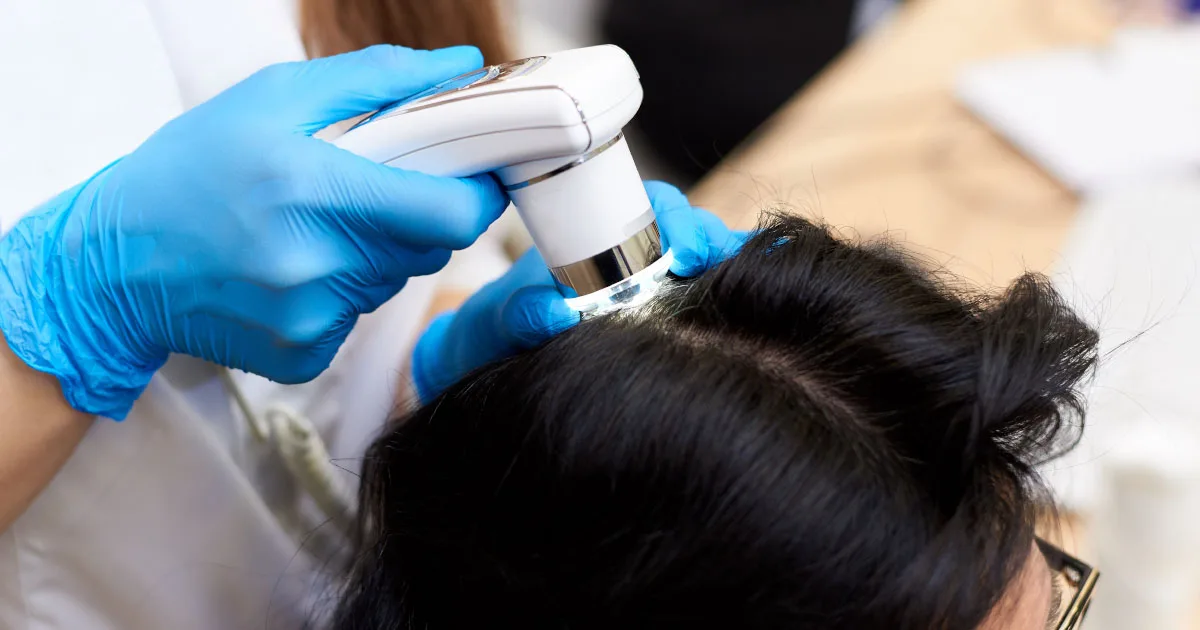
At MH Clinic, every plan starts with a doctor assessing your scalp, hair-loss pattern, and medical history, since the right frequency and treatment mix depends on what is actually causing your hair loss. From there, we personalise the schedule to your needs and response, rather than applying a fixed package to everyone, and review progress at set points to adjust the plan if needed.
Why People Trust Us With Hair Loss Treatment in Johor Bahru
Our doctors are LCP-credentialed in Aesthetic Medicine, a Ministry of Health Malaysia credential, and every device we use holds valid Medical Device Authority (MDA) registration. Combined with a diagnosis-first approach rather than a one-size-fits-all package, this is generally what separates a doctor-led clinic from a salon-style service for hair loss.
Final Thoughts
There is no single answer to how often hair rejuvenation treatment is needed, since it depends on the treatment itself, your specific cause of hair loss, and how your scalp responds over time. What matters more is having a plan that is reviewed and adjusted along the way, rather than guessing at a schedule on your own. If you would like a proper assessment of your hair loss and a realistic treatment schedule, contact us to arrange a consultation.